Topical OTC Pain Relievers: Ingredients, Strengths & How to Choose (2026 Buyer’s Guide)

A very sore shoulder, stiff knee, or even an aching back can make everyday tasks much harder. The correct topical pain reliever provides a very convenient way to really manage the minor aches without taking an oral medicine. However, not each product works in the very exact same way. Some create a very cooling sensation, and the others numb a very small area. Some also help to decrease the pain really linked to the joint inflammation.
Knowing about the topical OTC pain relievers very much helps you to check all the active ingredients and also the product strengths. It also helps you check the application formats. Knowing what the label really says very much helps you make a much safer and also more informed pick whether you pick a cream or gel. It also helps even if you pick a spray or a patch.
What Are Topical OTC Pain Relievers?
Topical OTC pain relievers are products you apply directly to your skin to relieve certain types of minor pain. The active ingredients work in a lot of very different ways depending on the formula. You can find the options for the sore muscles, joint discomfort, and also the localized aches.
OTC topical analgesic products use the active ingredients to relieve the very specific types of minor pain for some time when very much applied to the skin. Depending on the formula, they may create a very cooling sensation, numb a very localized area, or even help relieve certain types of joint pain. Check the product label to know about their use and also directions each time.
Creams, Gels, Lotions, Roll-ons, Sprays and Patches
Each format provides a lot of very different application experiences. A topical pain relief cream often suits targeted areas that need direct application. Gels may feel lighter, while roll-ons reduce direct hand contact. Sprays cover larger areas, and patches provide a convenient way to deliver ingredients over a set period.
What ‘OTC monograph’ Means in Plain English
An OTC monograph topical analgesic very much follows the applicable FDA needs for the eligible nonprescription ingredients, uses, labeling, and also the conditions. In very basic terms the monograph very much describes the rules a product must really meet to very much qualify under that regulatory pathway. It does not mean every product has individual FDA approval.
OTC Topical Pain Relief Ingredients at a Glance
The active ingredient very often matters much more than just the scent or texture. It also matters more than the packaging of the product. Knowing about the topical analgesic ingredients really helps you check the products very much based on the ways of their use.
Menthol (Cooling Counterirritant)
Menthol creates a very cooling sensation, distracting you from minor muscle and joint pain for some time. A menthol pain relief cream is a very basic option for very localized soreness. The concentration and also the formula affect the sensation of the product, so check the label each time instead of just assuming a much stronger cooling sensation really means much better relief.
Camphor and Methyl Salicylate
Camphor creates a very cooling or even a very warming sensation, depending very much on the formula. Methyl salicylate is a salicylate counterirritant used in certain topical pain products. The ingredients can really help relieve the minor aches for some time but they very much need a proper use because a lot of application or even the accidental ingestion can cause a lot of harm.
Capsaicin (Low Strength OTC)
Capsaicin really comes from chili peppers and also works by very much affecting the pain-signaling nerves. Capsaicin cream is really used for certain types of minor muscle and joint pain as well as some other very localized pain conditions. It can cause burning or even warmth, especially during very advanced use. Keep it very much away from your eyes and also wash your hands after applying it.
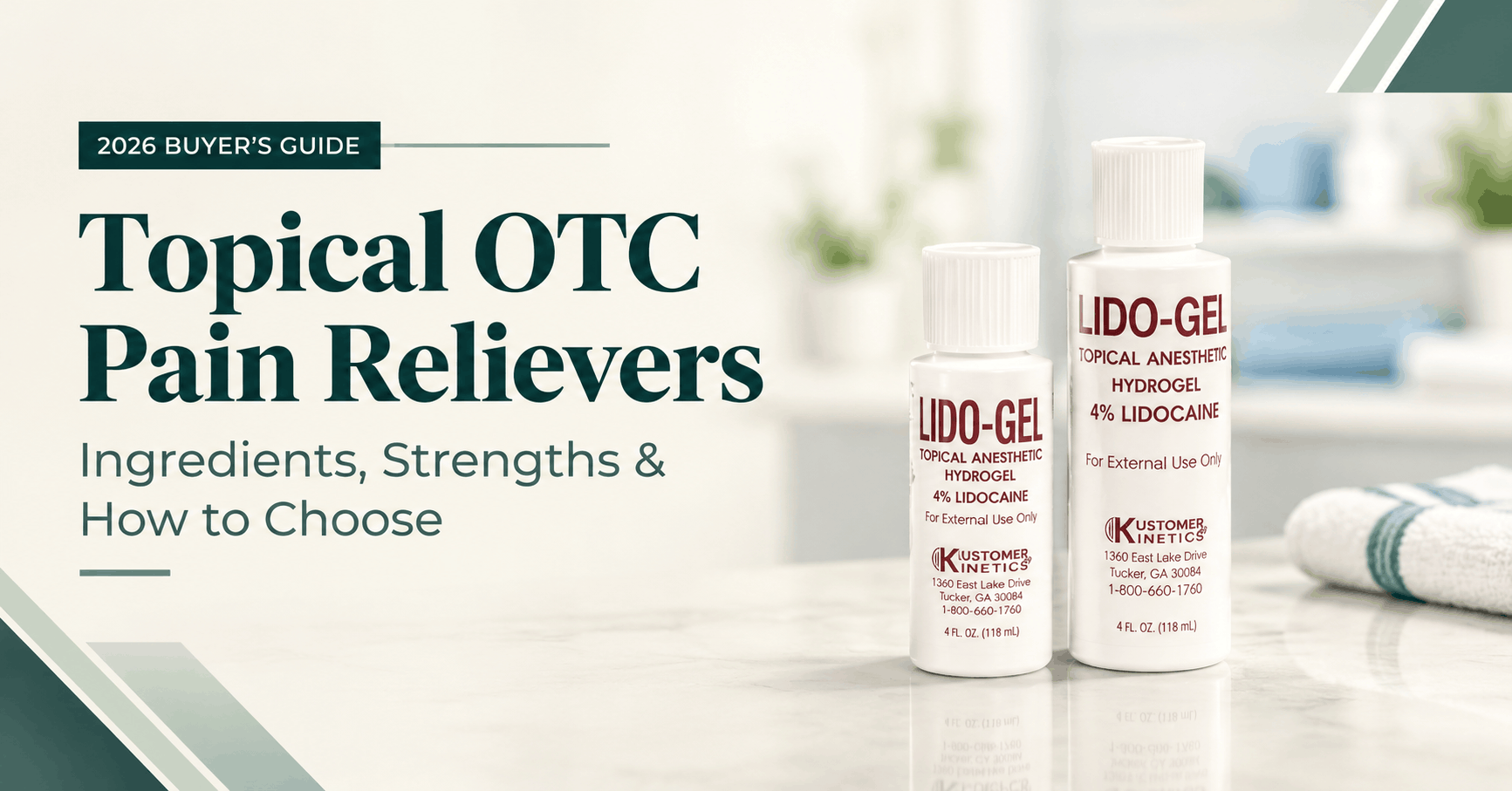
Lidocaine (Local Anesthetic and Up to 4% OTC)
Lidocaine really decreases the sensation in a very much treated area for some time. Certain nonprescription skin pain relief products have lidocaine at concentrations of up to 4% depending very much on the product and also its permitted use. Check the very specific label because not each lidocaine product very much suits each type of pain.
Topical Diclofenac (OTC NSAID Gel)
Topical diclofenac is really a nonsteroidal anti-inflammatory drug (NSAID) available over the counter in certain formulations for very specific uses such as arthritis pain. Unlike the counterirritants, it really targets the inflammation-related pain. Follow the very much approved uses and also the warnings of the product particularly if you take the other NSAIDs or even have medical conditions increasing their risks.
Menthol vs Lidocaine vs Capsaicin: Which Fits Which Need?
Picking between the ingredients very much depends on the type of discomfort and also the labeled use of the product. Checking the lidocaine vs menthol really helps you know about the difference between the temporary numbing and also a very cooling sensation.
Cooling Relief for Sore Muscles
Menthol really suits certain minor muscle aches when a cooling sensation is very comfortable. Products having the menthol may also include the camphor or even the other ingredients. Check the full formula to understand what you apply to your skin.
Numbing for Localized Discomfort
Lidocaine really numbs the treated area for some time. It may really suit very specific localized skin discomfort when the label really helps in that use. It does not automatically provide better relief for deep muscle or joint pain.
Warming Sensation for Stiffness
Capsaicin creates a very warming or even a very burning sensation and also may help with very certain types of pain when used as directed. If you have very sensitive skin, then check the warnings properly. Stop using the product if you experience a very serious reaction.
Cream vs Gel vs Roll-On vs Patch
The very best format depends very much on the area you treat, your application preferences, and also the directions of the product.
Which Format Suits Which Body Area
Creams work very well for controlled application to much smaller areas. Gels provide a much lighter texture, and the roll-ons really help restrict direct contact with your hands. Patches suit areas, helping to apply the product very securely. For an OTC pain relief gel, you should check if the formula is really to be used for the muscles, joints, or even the other very specific use.
Professional vs Retail Pack Sizes
Retail packs very often suit the individual use and the much larger professional packs may very much suit the clinics or even the other approved professional settings. Pack size does not really decide the strength or even the effectiveness. Check the concentration and also the directions. Also check the storage needs and the one meant to be using it even before picking a product.
How to Read a Topical Pain Reliever Label
A product label gives you very important details about its purpose, application, and also the risks. Learning how to read Drug Facts label information really helps you check the products without just relying on the marketing claims.
Active Ingredient and Percentage
The Drug Facts panel really identifies each active ingredient and also its concentration. Check the ingredient and also the percentage with the intended use of the product. A much higher percentage does not really mean much better outcomes or even much greater safety.
Uses and Warnings and ‘Stop Use and Ask a Doctor If’
The Uses section really explains the symptoms the product relieves for some time. Warnings identify the situations where you should really not use the product or should seek advice. Pay proper attention to the allergic reactions, worsening of the symptoms, and also the other instructions needing you to stop using it.
Directions and Age Limits
Follow the stated amount and also the application frequency. Also follow the age restrictions. Do not ever apply much more than directed or even mix the products with very similar active ingredients without really checking with a healthcare professional.
Safety Basics: When NOT to Use a Topical Pain Reliever
Topical products very much carry the risks. Proper application really helps you prevent the preventable skin reactions and also the other problems.
Broken Skin and Heating Pads and Tight Bandages
Do not really apply the products to the damaged skin unless the label very specifically permits it. Do not put the heating pads and also the tight bandages over the treated areas unless the directions very explicitly allow them. Heat and also a lot of coverage can really increase the irritation or even the ingredient absorption.
Allergies and Sensitivities
Check the ingredient list if you really have allergies to aspirin or even the salicylates. Also check if you have allergies to the local anesthetics or even the other listed ingredients. Ask a healthcare professional even before the use if you are very much unsure if a product is very much suitable for you.
When to See a Doctor
Get medical advice for very serious pain or unexplained swelling. Also get it for a suspected injury or even for the symptoms persisting or very much worsening. Stop using the product if you really experience a very serious skin reaction and also get urgent help for the signs of a very serious allergic response.
For Clinics and Brands: Choosing a Manufacturer
If you really develop products for a clinic, retail brand, or even a healthcare business, then the ingredient pick is just one part of the process. Your manufacturing partner also very much needs to help in the quality, consistent production, and also the very appropriate labeling.
GMP and Labeling and OTC Monograph Compliance
Look for very suitable present and good manufacturing practice (GMP) systems, good quality controls, and also very proper documentation. Check if the formula, claims, warnings, and also the Drug Facts labeling meet the applicable regulatory needs. Needs very much depend on the ingredients, designed use, and also the regulatory pathway of the product.
Private Label vs Contract Manufacturing
A private label pain relief cream really allows your brand to provide a product manufactured for sale under your very own branding. Contract manufacturing may really provide much larger help for the formulation, production, and also the packaging. Check the capabilities, documentation, quality processes, and also the product development help of each of the providers.
MOQs and Packaging
Minimum order quantities (MOQs) really affect your starting investment and also the inventory needs. Check the tube sizes, bottles, roll-ons, and also the other packaging options with the production timelines and also the storage needs. Pick the packaging protecting the formula and also helping in the proper and compliant labeling.
Choose the Right Topical Pain Relief With Confidence
Picking from a lot of topical OTC pain relievers becomes very easy when you really know about the active ingredients, product strengths, application formats, and also the safety instructions. Menthol, lidocaine, capsaicin, and also diclofenac really serve a lot of different purposes so match the product to its very much labeled use instead of just relying on the strength or even the sensation alone.
For businesses checking out product development, Kustomer Kinetics provides a very good starting point for checking the manufacturing options and also the product needs. A very proper method to the ingredients, labeling, and also the quality really helps you make much more informed decisions for your intended market.
Explore Your Topical Pain Relief Product Options
Ready to really develop or even source a topical pain relief product for your business? Check out the solutions available through the Kustomer Kinetics and really identify the formulation, packaging, and also the manufacturing help fitting your objectives.
Contact us by calling 626-445-6161 to start with your proper product needs and really build a plan around the quality, compliance, and also the customer needs.
FAQs
1. What are the topical OTC pain relievers?
They are the non-prescription creams, gels, lotions, roll-ons, sprays, and also the patches really applied to the skin to very much relieve the minor aches and also the pains of the muscles and the joints for some time. Basic active ingredients very much include menthol, camphor, methyl salicylate, capsaicin, lidocaine and also in the US even the diclofenac gel.
2. What is really the difference between menthol and lidocaine?
Menthol is a counterirritant creating a very cooling sensation distracting from the pain. Lidocaine is a local anesthetic that numbs the nerve endings. Some products combine them. Pick based very much on the uses stated on the label.
3. How often can I apply a topical pain reliever?
Follow the Drug Facts label. A lot of menthol products state the adults and also the children 12 and older may really apply to the very much affected area up to 3 to 4 times everyday but the directions very much change by the product.
4. Can I use a topical pain reliever with a heating pad?
A lot of labels really warn against using the product with a heating pad or even a tight bandage because it may really increase the risk of skin irritation or even burns. Read the warnings on your very specific product each time.
5. When should I really stop using it and see a doctor?
Typical labels say to stop the use and then ask a doctor if your condition really worsens or the symptoms last much more than just the 7 days or even if they go away and then return within some days. Also see the doctor when you develop irritation or even redness.
6. Can my brand sell its own OTC topical pain reliever?
Yes. Through private label or even contract manufacturing. OTC topicals must really follow the very much applicable FDA OTC monograph and also the labeling and manufacturing needs so work with a very experienced manufacturer and also check your claims with the regulatory counsel.